Your Videos Just Got 60% Faster — Without Losing a Frame
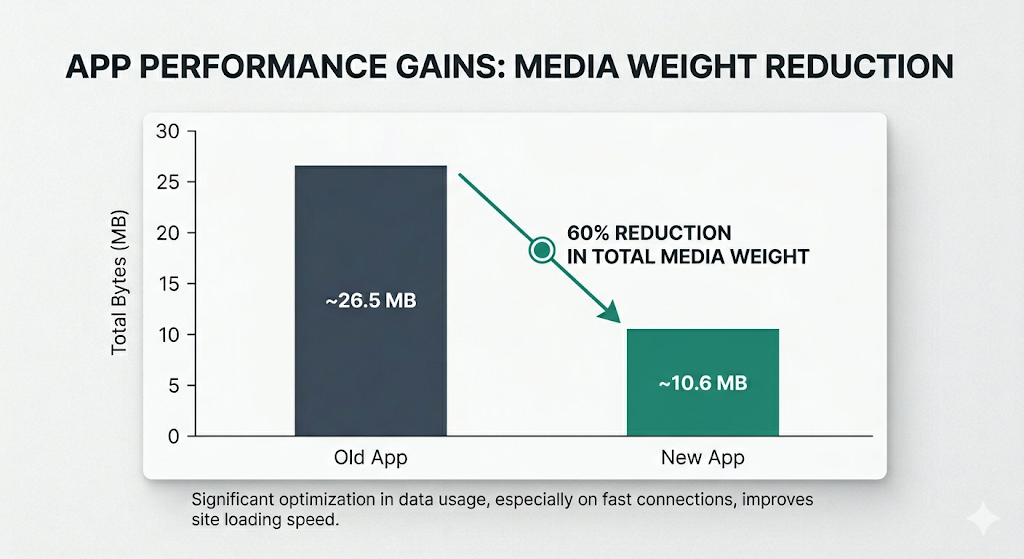
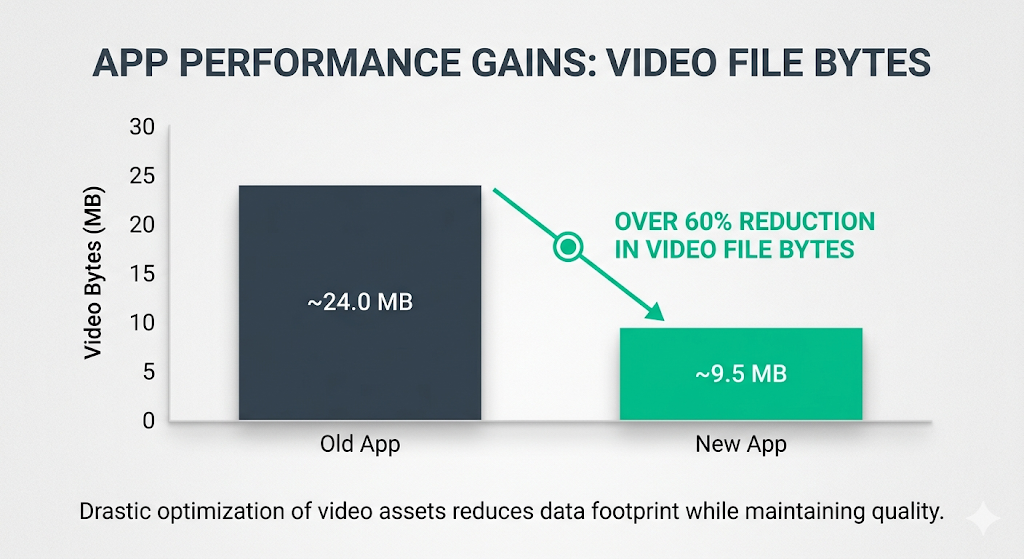
Carousel videos now have just-in-time loading which defers loading until shoppers are ready to see them, slashing upfront media payload by more than half even on high-bandwidth connections.


Carousel videos now have just-in-time loading which defers loading until shoppers are ready to see them, slashing upfront media payload by more than half even on high-bandwidth connections. Less data means your ecommerce pages are now faster and snappier on load.
The Problem With Video
Most simple video players render video without any smarts. This unconditional prefetching causes browsers to initiate simultaneous media requests for every carousel asset, saturating network bandwidth and delaying time-to-interactive. In some cases, on a 4G connection this could translate to over 50 MB of media transferred upfront, creating a measurable bottleneck long before shoppers engaged with a single video.
Introducing Just In Time Video Fetching
- Deferred video fetching — faster speed — Videos are now loaded on-demand using an intention-based trigger, eliminating speculative prefetch of off-screen videos and reducing initial data downloaded dramatically. This is a massive improvement for shoppers arriving to your store on mobile.
- Handle slower mobile connections better — On mid-tier connections like Fast 3G, the carousel now surfaces image thumbnails where full video playback isn't viable, ensuring shoppers still get a rich visual experience without stalled video requests.
- Zero regression on core interactions — The expanded player, floating player, and impression tracking pipelines are architecturally isolated from the lazy-load boundary and remain entirely unaffected.
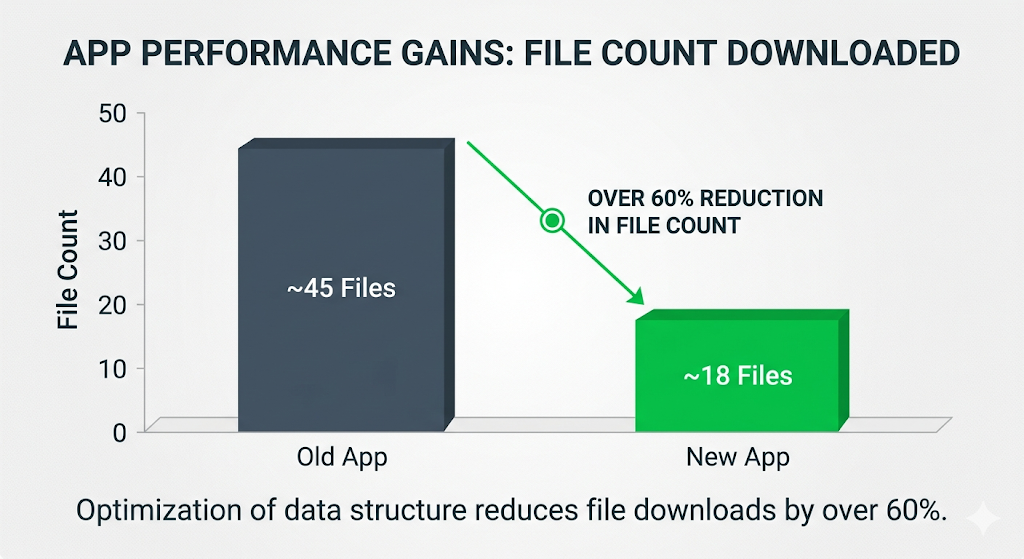
- Download only the videos that you need — Fewer simultaneous media requests mean less network contention, faster resource prioritization, and a more responsive DOM paint sequence for above-the-fold content.
The Numbers
Video Demo
Carousel slides hydrating video assets only as they enter the visible viewport.
What This Means for Your Store
- Cutting upfront media payload by over 60% on desktop and mobile (4G) profiles has a direct, compounding effect on Core Web Vitals — particularly Largest Contentful Paint and Total Blocking Time.
- Faster LCP correlates with improved Google Search ranking signals, lower bounce rates, and higher conversion likelihood, especially on mobile where network conditions are inherently variable.
- Shoppers on bandwidth-constrained connections who previously encountered nothing now receive image previews, keeping them engaged while the storefront continues loading. The result is a carousel that performs at the speed your products deserve.
These improvements are now live on your store — no action required.